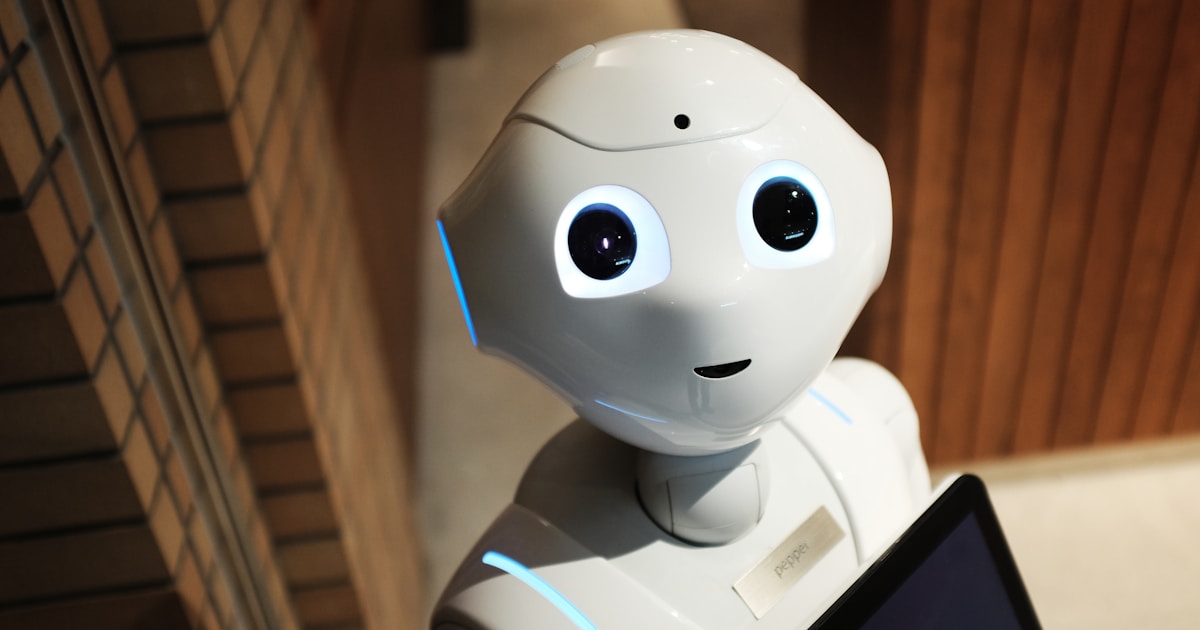
AI and human marketing are not competing forces — they are complementary capabilities. AI excels at data processing, 24/7 response, pattern detection, and scaling repetitive tasks. Humans remain essential for brand voice, creative strategy, relationship building, and ethical judgement. The most effective businesses in 2026 deploy AI for the predictable and protect human involvement for the nuanced.
Key Takeaways
- AI outperforms humans at data analysis, A/B testing at scale, 24/7 customer response, and pattern recognition across large datasets
- Humans outperform AI at brand storytelling, creative strategy, empathetic communication, and ethical decision-making
- The hybrid model works — businesses using AI for operational tasks and humans for strategic tasks report 20-35% efficiency gains without sacrificing quality
- The decision framework is simple — if a task is repetitive and pattern-based, automate it; if it requires judgement or empathy, keep it human
- Fear of replacement is misplaced — AI changes what marketers do, not whether they are needed
What AI Does Better Than Humans
AI is not better at marketing. It is better at specific types of marketing work — the kinds that involve processing volume, recognising patterns, and operating without fatigue.
Data Processing and Analysis
An AI system can analyse 50,000 customer interactions overnight and surface the three behavioural patterns that predict purchase intent. A human analyst doing the same work would need weeks. For businesses generating significant data — website analytics, email engagement, CRM activity — AI transforms analysis from a monthly report into a continuous insight stream.
A/B Testing at Scale
Testing two email subject lines is straightforward. Testing 20 variations across five audience segments simultaneously requires computing power that humans cannot match. AI-powered testing tools run dozens of experiments in parallel, optimising send times, copy, and creative elements faster than any manual process.
24/7 Response and Availability
Customers do not limit their enquiries to business hours. AI chatbots and voice agents ensure every prospect receives an immediate response, regardless of when they make contact. Research consistently shows that response speed is one of the strongest predictors of lead conversion — and AI never sleeps, never takes lunch, and never has an off day.
For a detailed look at how this works in practice, our guide on AI voice agents and revenue covers the commercial case.
Pattern Detection
AI excels at identifying patterns humans miss: the combination of behaviours that precede a cancellation, the content topics that drive the most qualified leads, the time-of-day effect on social media engagement. These insights exist in most businesses' data — they just require processing capacity that manual analysis cannot provide.
What Humans Still Do Better
For all its capability, AI has clear boundaries — and understanding them is what separates thoughtful adoption from reckless implementation.
Brand Voice and Storytelling
AI can generate grammatically correct, topically relevant copy. What it struggles with is the distinctive voice that makes a brand recognisable and trusted. Brand personality, tone, and the subtle choices about what to say and what to leave unsaid — these are human strengths.
AI can produce a first draft. The human edit that adds personality, removes generic phrasing, and ensures the output sounds like your business — that is where the value lies. Our piece on AI content generation and SEO explores this dynamic in detail.
Creative Strategy
Deciding what to communicate, to whom, and through which channels is a strategic judgement that draws on market understanding, competitive awareness, and intuition built from experience. AI can inform these decisions with data, but the synthesis — the "we should do X because of Y and Z" — requires human reasoning.
Relationship Building
Key accounts, strategic partnerships, and high-value client relationships depend on trust, empathy, and personal connection. These qualities cannot be automated. The best use of AI in relationship-driven businesses is to handle the administrative work around relationships (scheduling, follow-ups, data logging) so the humans involved can focus entirely on the human interaction.
Ethical Judgement
Should we target this audience with this message? Is this claim defensible? Does this campaign respect our customers' privacy and intelligence? These questions require moral reasoning, cultural sensitivity, and an understanding of consequences that AI fundamentally lacks. As the UK AI marketing landscape evolves, ethical oversight becomes more important, not less.
The Hybrid Approach
The practical question is not "AI or human" — it is "which tasks benefit from each?" This table maps common marketing activities to the appropriate approach.
| Marketing Task | Recommended Approach | Why |
|---|---|---|
| Email sequence automation | AI-led | Predictable, high-volume, rule-based triggers |
| Social media scheduling | AI-led | Timing optimisation, consistent posting cadence |
| Website chatbot responses | AI-led | 24/7 availability, FAQ handling, lead capture |
| A/B testing execution | AI-led | Speed, scale, statistical rigour |
| CRM data entry and updates | AI-led | Eliminates manual error, saves significant time |
| Brand messaging and positioning | Human-led | Requires strategic judgement and brand knowledge |
| Creative campaign concepts | Human-led | Originality, cultural sensitivity, emotional resonance |
| Key account management | Human-led | Trust, empathy, relationship nuance |
| Crisis communications | Human-led | Ethical judgement, reputational awareness, tone |
| Content creation | Hybrid | AI drafts, human edits for voice and accuracy |
| Ad performance analysis | Hybrid | AI processes data, human interprets strategic meaning |
| Customer feedback analysis | Hybrid | AI categorises at scale, human identifies actionable themes |
The pattern is consistent: tasks that are repetitive, data-heavy, or time-sensitive benefit from AI. Tasks that require judgement, creativity, or emotional intelligence benefit from humans. Many tasks benefit from both — AI doing the heavy lifting, humans providing the direction and quality control.
A Practical Framework
For businesses trying to decide where to draw the line, this framework provides a starting point.
Automate the Repetitive
Any task your team performs more than three times a week following a similar pattern is a candidate for AI automation. Email follow-ups, social scheduling, lead routing, data entry, report generation — these are time sinks that AI handles reliably.
Humanise the Strategic
Any task that requires interpretation, creative direction, or empathetic communication should remain human-led. Strategy sessions, creative briefings, client presentations, and reputation management need human judgement.
Augment the Complex
The richest opportunities are in the middle — tasks where AI and humans each contribute what they do best. Content creation is the clearest example: AI generates research, outlines, and first drafts at speed; humans refine, add personality, and ensure accuracy.
For a detailed implementation process, our step-by-step marketing automation guide walks through how to audit, prioritise, and deploy AI tools alongside your team.
The Businesses That Win
The businesses getting the most from AI in 2026 share three characteristics.
They started small: Rather than attempting a full digital transformation, they automated one process, proved it worked, and expanded from there. Our AI automation guide covers this incremental approach in detail.
They kept humans in the loop: Every AI output passes through human review before reaching customers. This is not because the AI is unreliable — it is because human oversight catches the edge cases, tone mismatches, and contextual errors that AI misses.
They measure honestly: They track time saved, leads generated, and revenue influenced — not vanity metrics. When an automation does not deliver, they adjust or remove it rather than defending the investment.
The fear that AI will replace human marketers is understandable but misplaced. What AI actually does is change the composition of marketing work: less time on data entry, scheduling, and repetitive communication; more time on strategy, creativity, and relationships. For most small businesses, that is not a threat — it is an upgrade.
If you are exploring how to balance AI and human capability in your marketing, our AI automation services are built around this hybrid philosophy. Get in touch for a practical conversation about what makes sense for your business.
Frequently Asked Questions
Want help with this?
Discover how AI chatbots and voice agents can grow your business.
AI Automation Services